Rural development initiatives play a vital role in improving the socio-economic conditions of communities across India. These initiatives are designed to address key challenges such as poverty, unemployment, inadequate infrastructure, and limited access to essential services, ultimately aiming to create sustainable and inclusive growth in rural areas.
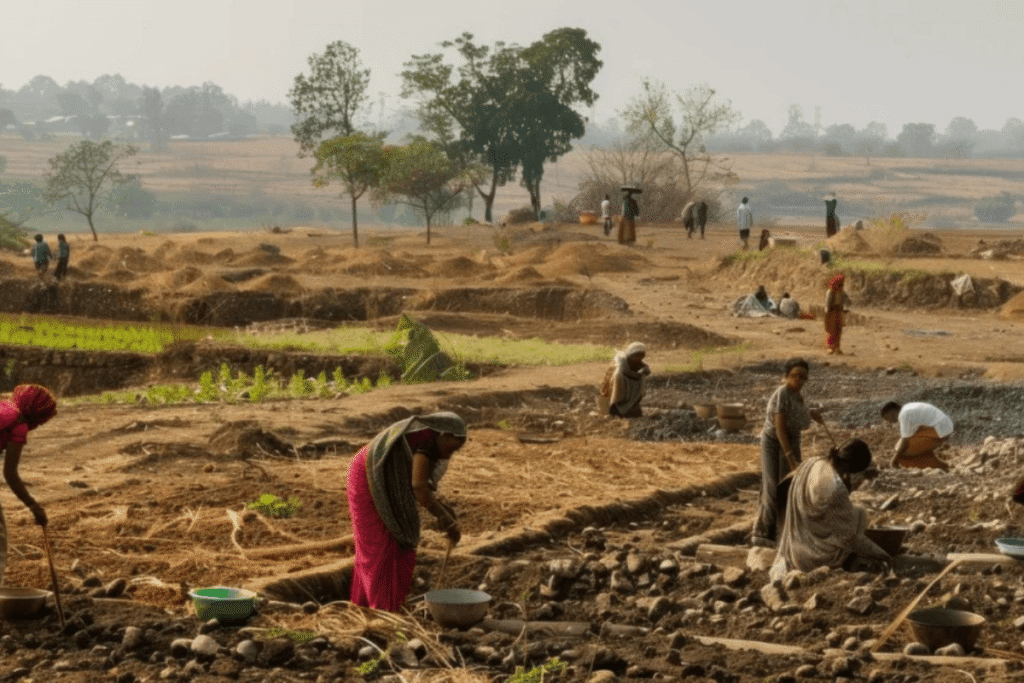
At the core of rural development are government-led schemes that focus on infrastructure, housing, employment, and social welfare. Programs like Mahatma Gandhi National Rural Employment Guarantee Act provide guaranteed wage employment, helping rural households secure a stable income while contributing to community asset creation. Similarly, Pradhan Mantri Awas Yojana aims to provide affordable housing for economically weaker sections, improving living standards.
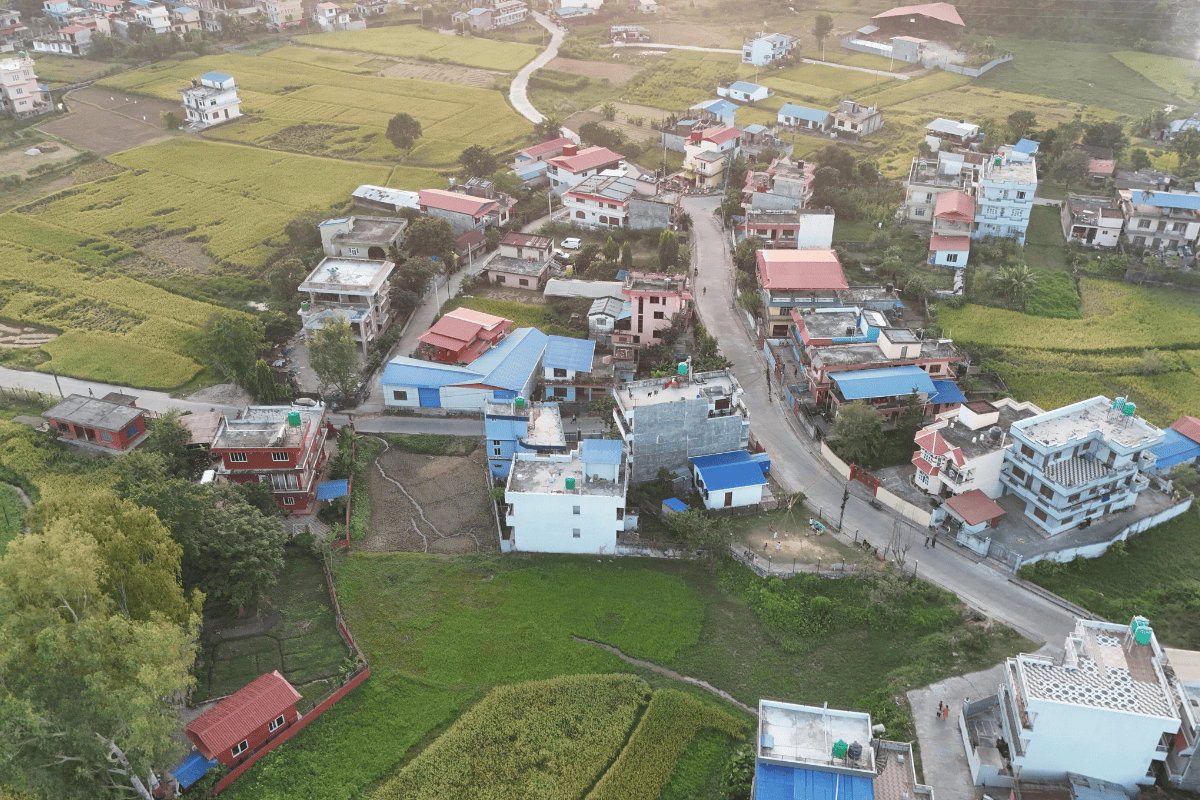
Infrastructure development is a key component of these initiatives. Efforts such as rural road construction, electrification, and access to clean drinking water are transforming connectivity and enabling economic activities. Improved infrastructure not only enhances daily life but also supports access to education, healthcare, and markets.
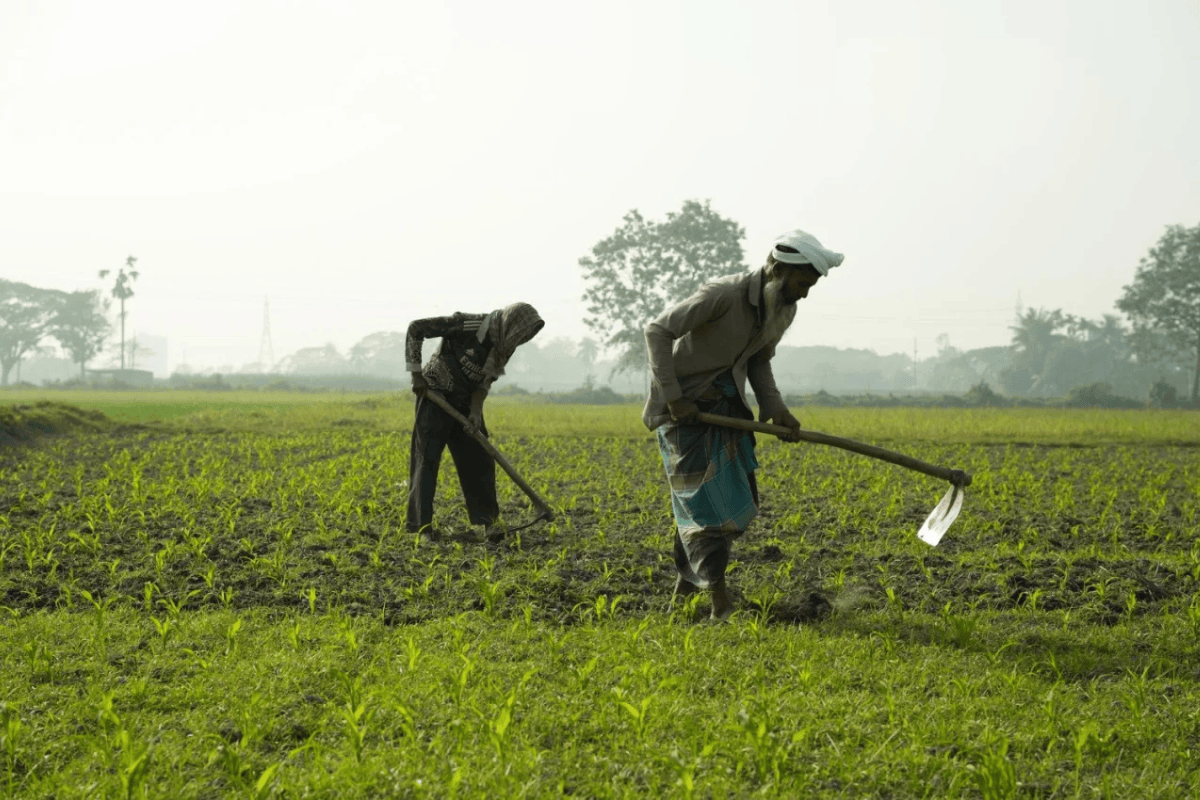
Agriculture and allied sectors are also a major focus. Farmers benefit from irrigation projects, subsidies, and training programs that promote modern and sustainable farming practices. Initiatives supporting dairy, poultry, and small-scale industries further diversify income sources, reducing dependency on traditional agriculture.
Digital inclusion is another growing aspect of rural development. With the expansion of internet connectivity and digital services, rural populations are gaining access to online education, telemedicine, and e-governance platforms. This digital shift is helping bridge the gap between rural and urban areas.
Community participation is essential for the success of these initiatives. Local governance bodies, self-help groups, and community organizations play a significant role in planning and implementing development projects. Their involvement ensures that initiatives are tailored to the specific needs of each region.
Despite significant progress, challenges such as implementation delays, lack of awareness, and resource constraints remain. Strengthening monitoring systems, increasing transparency, and enhancing public awareness can further improve the effectiveness of these programs.
In conclusion, rural development initiatives are fundamental to building a balanced and equitable society. By focusing on long-term sustainability and inclusive growth, these efforts are paving the way for a stronger and more self-reliant rural India.