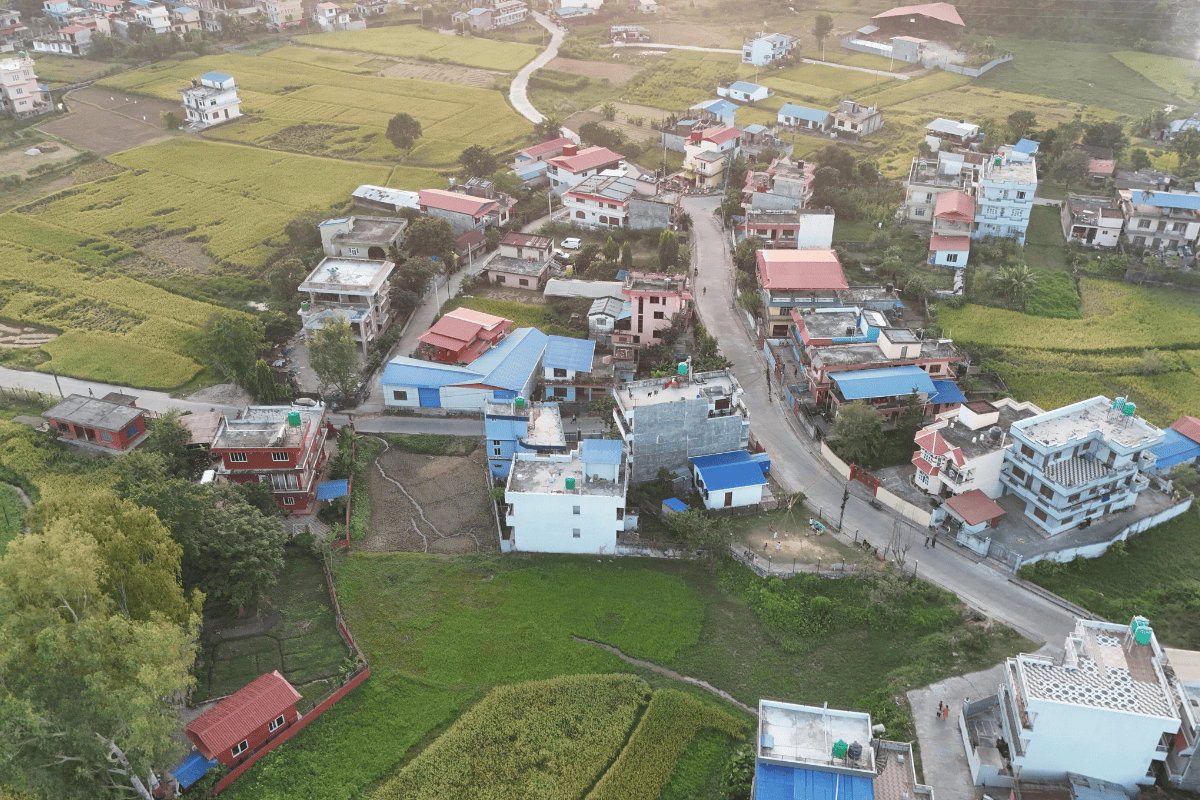

Local governance plays a critical role in shaping the development trajectory of rural regions, and Mudhol stands as a strong example of this influence. Decisions taken at the grassroots level—by panchayats and local administrative bodies—directly affect infrastructure, economic growth, and the overall quality of life for residents.
In Mudhol, strategic governance initiatives have contributed to improvements in essential services such as road connectivity, water supply, sanitation, and rural healthcare. Effective allocation of government funds and transparent decision-making processes have enabled the implementation of development projects that address real community needs.
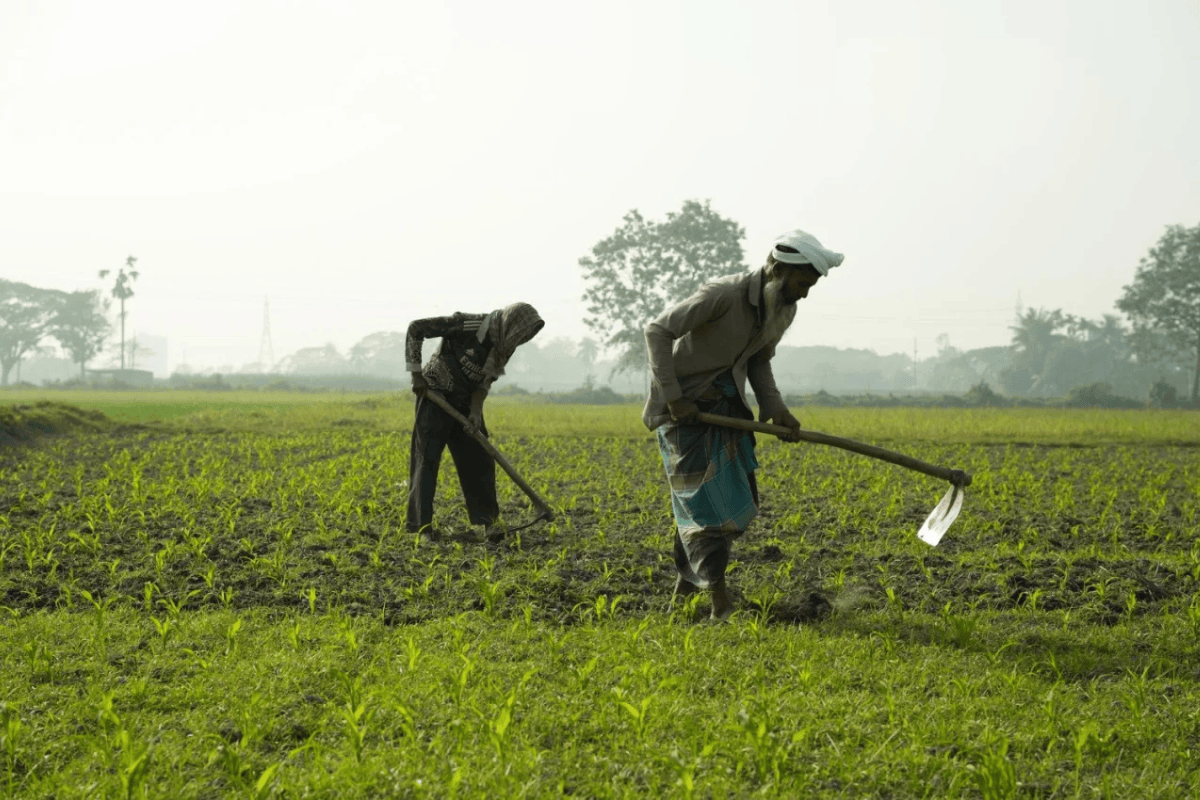
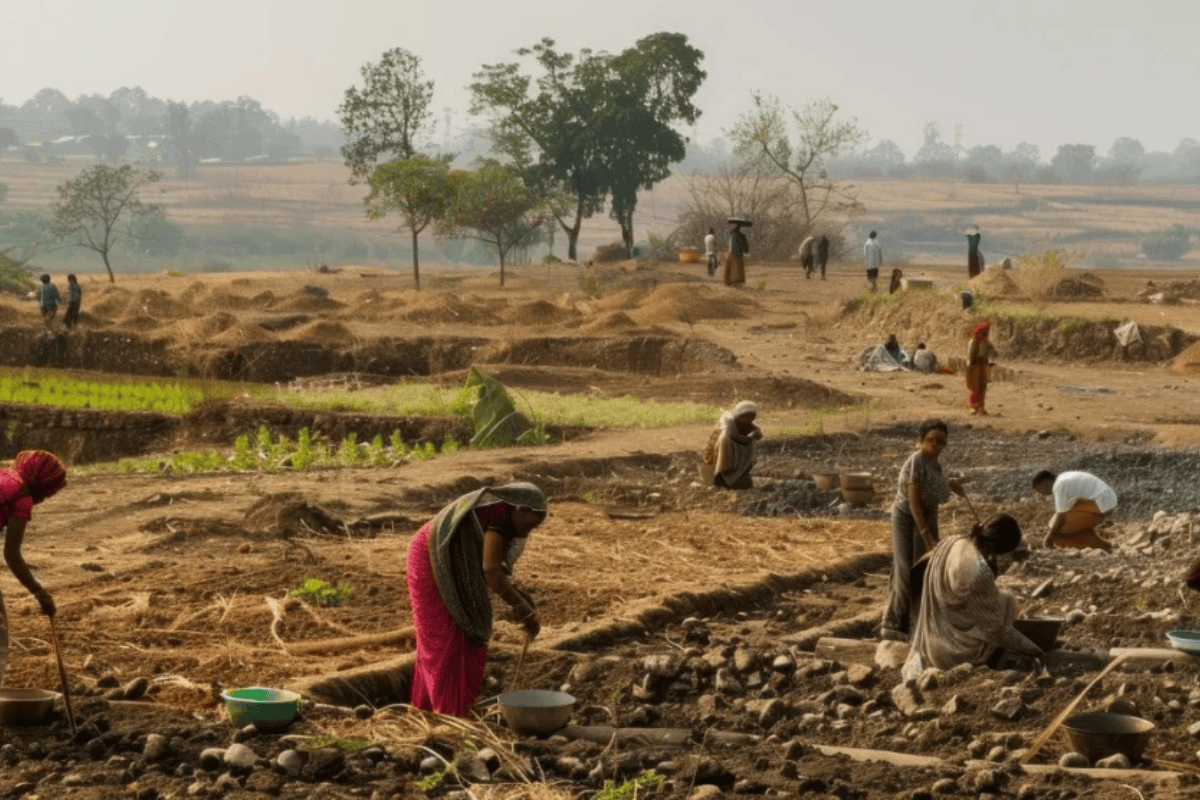
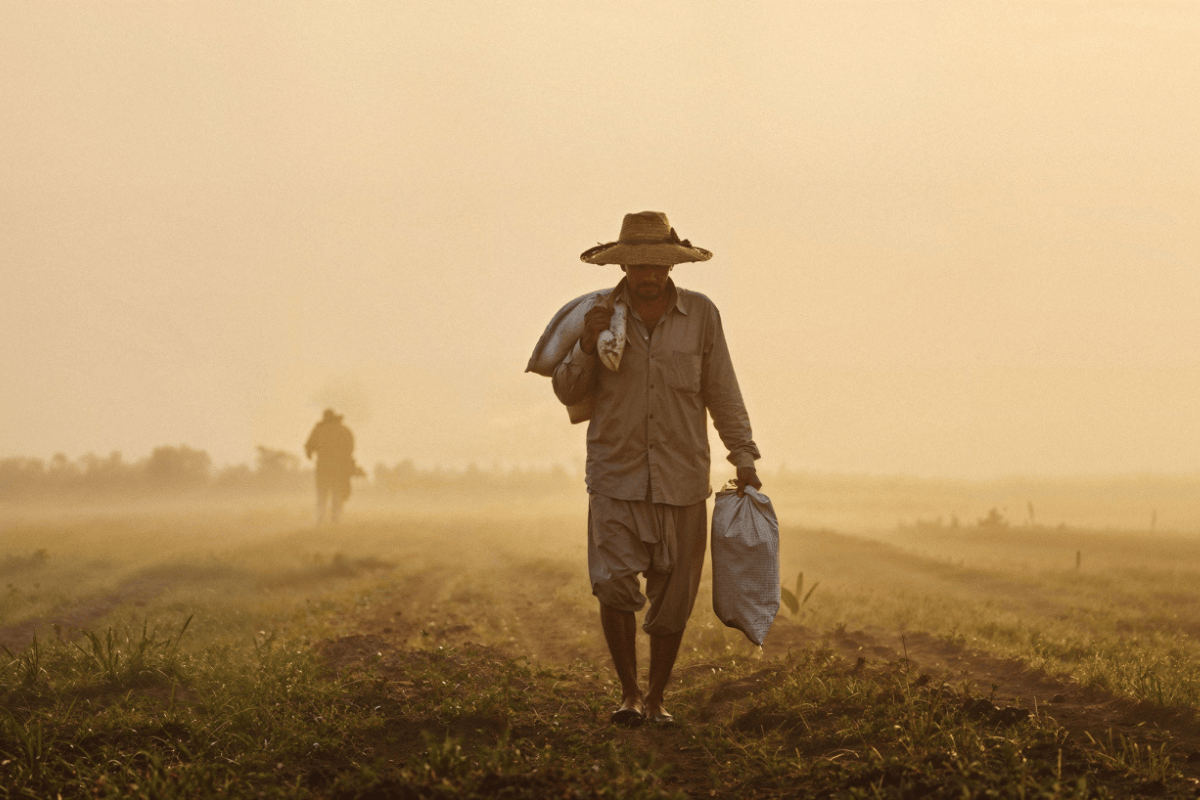
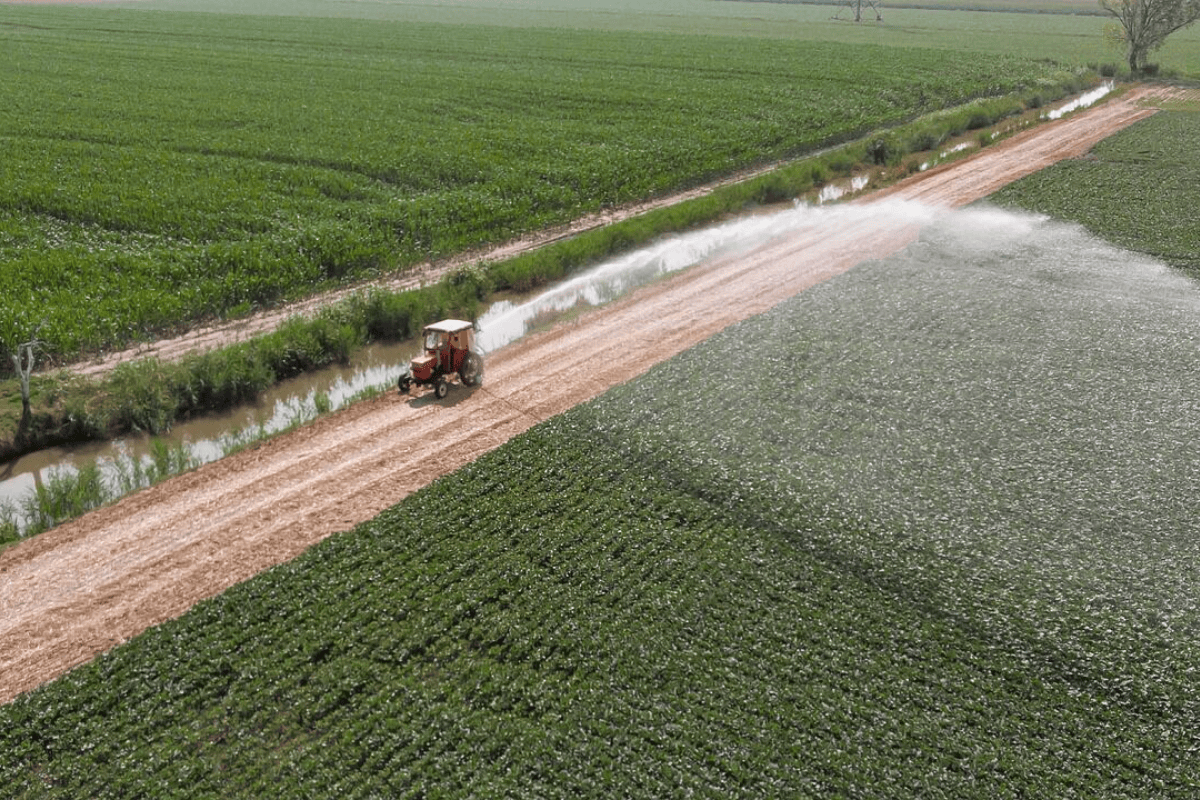
Agriculture, being the backbone of Mudhol’s rural economy, is significantly impacted by local governance policies. Support for irrigation systems, subsidies for farmers, and access to modern farming techniques have helped enhance productivity and sustainability. Additionally, local authorities have encouraged self-employment programs and small-scale industries, creating opportunities beyond traditional farming.
Education and social welfare schemes have also seen progress through proactive governance. Schools, skill development programs, and women empowerment initiatives are helping build a more resilient and self-sufficient rural population.
However, challenges such as resource constraints, administrative delays, and the need for better community participation still exist. Strengthening accountability, adopting digital governance tools, and increasing citizen involvement can further accelerate rural development.
Overall, the case of Mudhol highlights how well-planned local governance decisions can transform rural landscapes, ensuring inclusive growth and long-term sustainability.